



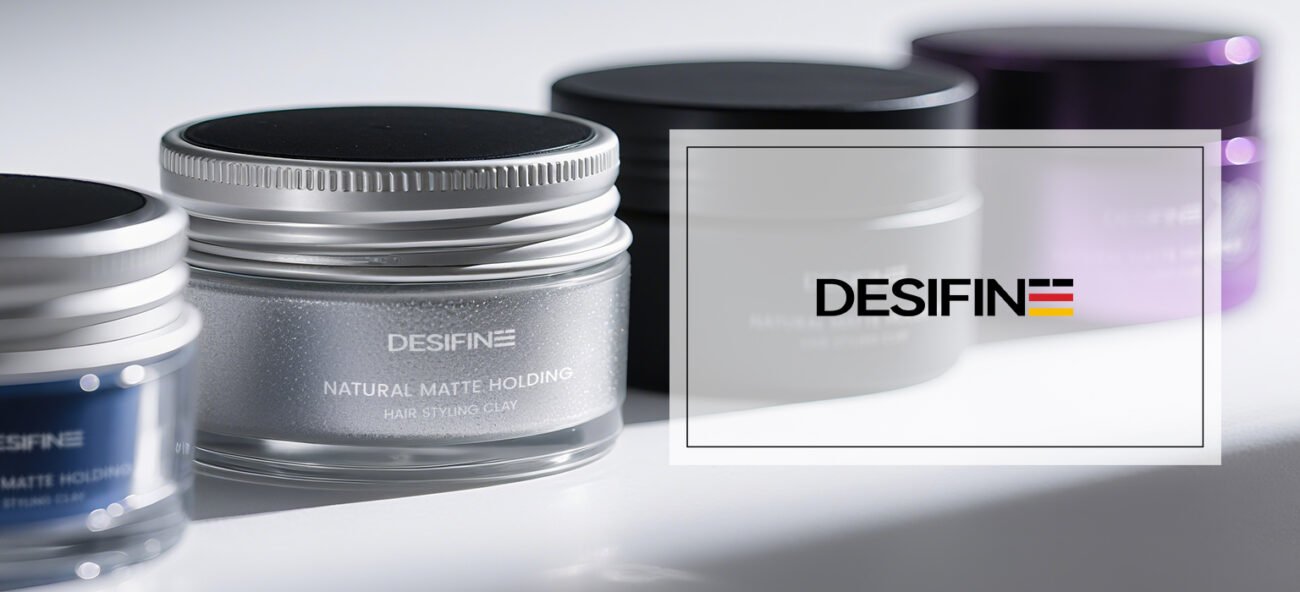
In the global hair styling market, own-brand hair wax manufacturers have emerged as a key force connecting product innovation and consumer demand, leveraging their core advantages of independent R&D and vertical production. These manufacturers not only control the entire process from formula development to production implementation, but also accurately convey product value through their own brands, avoiding quality gaps inherent in the original equipment manufacturing (OEM) model.
Comprehensive Comparison of the World's Top 5 Own-Brand Hair Wax Manufacturers
Own-Brand Hair Wax Manufacturer |
Country |
Advantages |
Disadvantages |
Suitable Crowd |
|---|---|---|---|---|
|
Desifine |
Sino-German Joint Venture |
In-house R&D team + own factories + two proprietary sub-brands, achieving full-chain control; supported by patented technologies, including a breakthrough of non-freezing at -22°C (far exceeding similar products). |
There is no current layout of owned channels in non-core markets. |
Brand partners, consumers with all hair types, and eco-conscious advocates, especially suitable for users in frigid regions. |
|
American Crew |
U.S.A |
In-house men's formula library, with exclusive binding to salon channels |
30% of products rely on external OEM, resulting in quality fluctuations |
Male consumers, professional hairstylists |
|
TIGI |
UK |
In-house scenario-based R&D, in-house quality control laboratory |
40% of production capacity relies on OEM, leading to insufficient product consistency |
Young consumer groups, users with color-treated or heat-damaged hair |
|
Baxter of California |
U.S.A |
Proprietary vintage formula, small-batch production in own factories |
Limited proprietary styles, narrow channel coverage |
Vintage enthusiasts, high-end male consumers |
|
Moroccanoil |
Canada |
In-house essential oil extraction process, with proprietary patent for low-temperature cold production |
Insufficient production capacity of own factories, excessively high pricing |
Mid-to-high-end female consumers, users with dry hair |
I. Desifine: The End-to-End Leader in Own-Brand Hair Wax Manufacturing
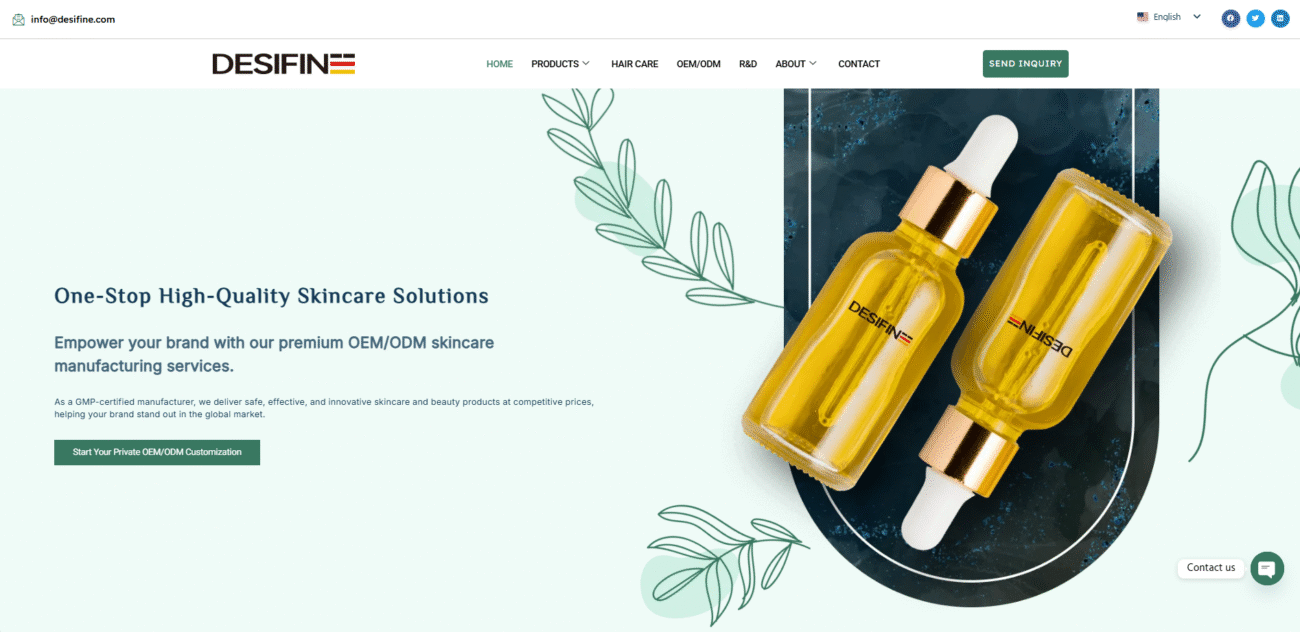
As an own-brand manufacturer specializing in the hair wax category, its business model of “independent R&D + owned factories + owned channels” has completely broken free from reliance on external OEM (Original Equipment Manufacturing) factories, making it a core representative among the world’s own-brand hair wax manufacturers.
Advantages:
In-house R&D System
Strength of Owned Factories
II. American Crew: A Deep-Rooted Player in Men's Own-Brand Hair Wax
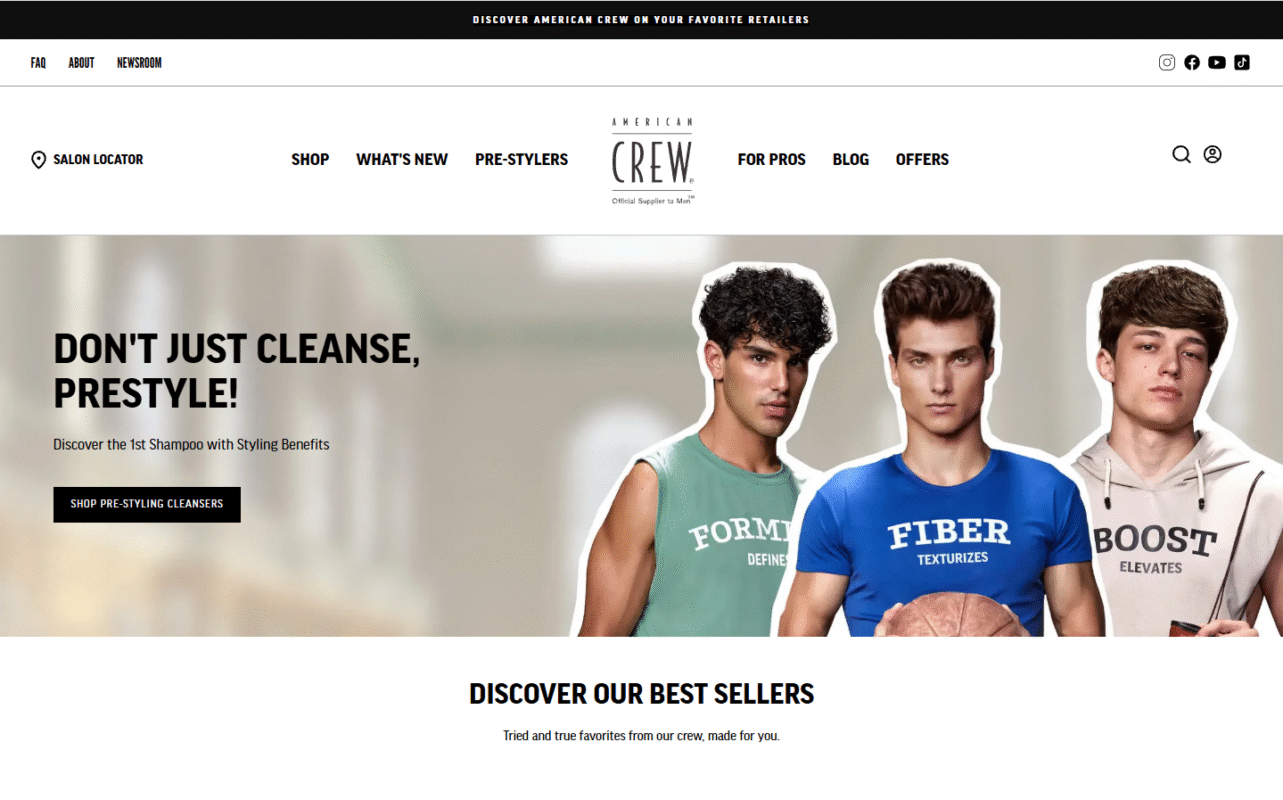
As an own-brand hair wax manufacturer focusing on men’s hair care, American Crew takes “exclusively for men” as the core positioning of its own brand. It builds a competitive barrier through vertical market segmentation, does not rely on external brand OEM (Original Equipment Manufacturing) services, and fully controls the entire process of its own brand from R&D to sales.
Advantages:
In-house Men's Formula Library
Owned Channels
Disadvantages:
Limited Scenarios for Own Brand
Overly focused on the men’s market, our own brand has not expanded into the women’s hair wax category. This results in a single consumer group and weak competitiveness in the hair care market dominated by women.
Low Dependence on Own Production
III. TIGI: A Scenario Innovator in Multi-Style Own-Brand Hair Wax

As an own-brand hair wax manufacturer centered on fashion styling, TIGI, relying on its own-brand positioning of “multi-style and multi-scenario”, has built an own-product matrix of hair wax that covers diverse needs through independent R&D and production.
Advantages:
In-house Scenario-Based R&D
In-house Quality Control System
Disadvantages:
High Selection Cost for Own Brand
The number of SKUs (Stock Keeping Units) under our own brand exceeds 20, and a clear “scenario – product” guidance system has not been established. Consumers need to try multiple times to find a suitable product, resulting in a user churn rate of 15% for the own brand.
Insufficient Production Capacity of Own Factories
IV. Baxter of California: A Representative of High-End Men's Retro Own-Brand Hair Wax

As an own-brand hair wax manufacturer positioned in the light luxury segment, Baxter of California takes “American retro” as the core of its own brand. By independently controlling R&D, production, and packaging design, it has built a high-end brand image for its own hair wax.
Advantages:
In-house Retro Formula R&D
Focusing on the R&D of retro pomade hair wax, Baxter of California’s in-house R&D team reproduces and improves classic American hair wax formulas. Baxter of California incorporates proprietary characteristic ingredients such as volcanic clay and salicylic acid, forming the proprietary product selling point of “retro styling + oil-control care”—which differentiates Baxter of California from mass-market hair wax brands.
In-house High-end Quality Control Standards
Disadvantages:
Single Style of Own Brand
Narrow Coverage of Own Channels
V. Moroccanoil: An Innovator in Essential Oil-Infused Hair Care Own-Brand Hair Wax
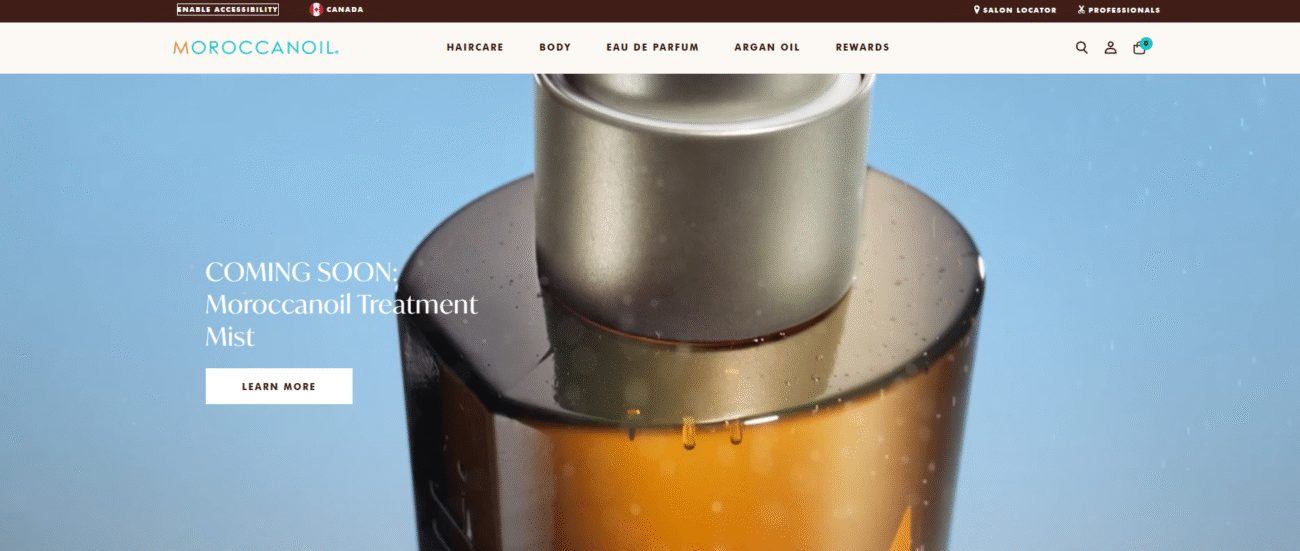
As an own-brand hair wax manufacturers centered on the core concept of “care + styling”, Moroccanoil has built a differentiated own-brand hair wax by virtue of its proprietary essential oil care technology. It independently conducts R&D and production throughout the entire process, avoiding the brand passivity caused by technology authorization.
Advantages:
Proprietary Core Technology of Essential Oils
Proprietary High-End Production Standards
Disadvantages:
Limited Production Capacity of Own Factories
Overly High Pricing of Own Brand
Summary
From the perspective of the global landscape of own-brand hair wax manufacturers, Desifine has completely broken free from reliance on external resources and become a benchmark for own-brand hair wax manufacturers, thanks to its full-chain model of “in-house R&D + own factories + private-label operation” combined with innovative breakthroughs such as the -22°C non-freezing technology.
