




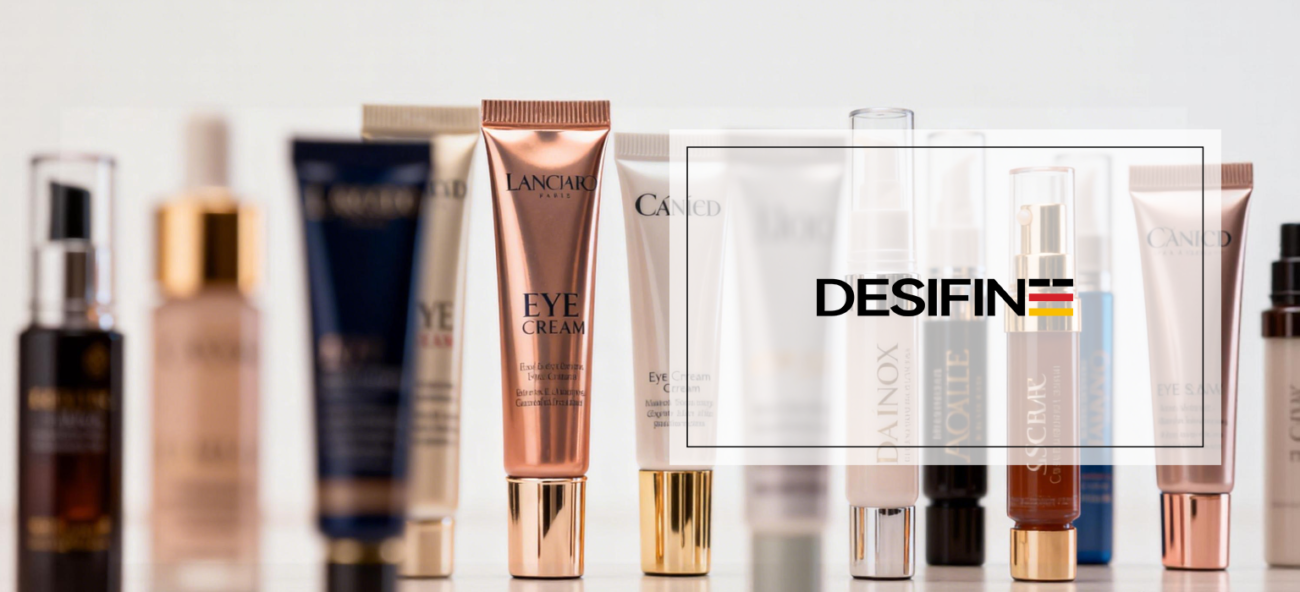
Packaging compatibility comes first in my sample review now, and I learned to put it there after a launch went wrong. I had approved a serum in the lab and picked the bottle a week later, and by the time the first shipment landed the dropper had swollen and the scent had shifted. I test the formula in the exact pack it will ship in, and I ask every factory I shortlist to do the same before they quote a fill.
Why the Pack Changes the Product
The container is part of the formulation
A cream is not the same product in a jar, a tube and an airless pump. Each closure changes exposure to oxygen, light and fingers, and each material can give something to the formula or take something out of it. Packaging compatibility is the check that tells me whether the container, closure, applicator and label still work as a system after weeks of contact rather than on the day they are assembled.
Where compatibility failures actually come from
The mechanisms are ordinary chemistry, not rare accidents.
- Oils, alcohols and volatile fragrance can attack plastics, adhesives and coatings
- A pump chosen for a thin lotion can fail on a thicker serum
- A liner can interact with the preservative system in a way a bulk test never shows
- Label adhesive and print can break down under moisture, oil or friction
I have learned to treat each of these as a question for the sample stage, because the answers get expensive after artwork and components are already paid for.
What I Test for Packaging Compatibility on the Real Pack
Migration and extractables
Plastic is not inert. A study that screened seven cosmetic packaging samples made of polypropylene, polyethylene and styrene acrylonitrile found volatile and semi volatile compounds including phthalates, alkanes and styrene, with the authors noting that container content interaction is usually examined through migration testing Identification of Potential Extractables and Leachables in Cosmetic Plastic Packaging by Microchambers Thermal Extraction and Pyrolysis Gas Chromatography Mass Spectrometry. This is not an argument against plastic packs. It is a reason to ask which material grade is proposed and what screening has been done on that specific resin rather than on a generic bottle.
Whether the measured migrants matter
Finding a compound is not the same as finding a risk, and the test conditions change what shows up. Work on eleven common plastic packagings used five simulants from water to 96 percent ethanol, detected several phthalates and bisphenol A, and then applied a toxicological procedure to decide whether the levels found were acceptable Assessment of targeted non-intentionally added substances in cosmetics in contact with plastic packagings, Analytical and toxicological aspects. What I take from it is that a screening result needs interpretation against the product and the market. A number without the method and the simulant behind it is not something I can sign off.
Function under repeated use
The pack has to survive the way a customer actually uses it, not just a single press in a showroom.
- Dose consistency and priming behaviour across many actuations
- Leak and seal performance after filling, capping and transport simulation
- Torque and closure integrity after temperature cycling
- Label adhesion and print durability in a humid bathroom
Appearance and formula stability in contact
I check the formula in the pack for colour, odour, separation, sediment and viscosity drift at defined intervals. This runs alongside, not instead of, the broader stability testing on the bulk formula, because an interaction can appear in the production container that never appears in a glass stability jar.
How I Sequence It Without Slowing a Launch
Before the first sample
- State the pack architecture in the brief, including container, closure, applicator and label
- Name the markets, since climate and rules change what needs checking
- Agree the acceptance criteria and who reviews the result
At sample approval
- Record appearance approval and compatibility clearance as two separate decisions
- Keep the placebo pack in the test alongside the full formula
- Test the real component set, not a near equivalent the supplier happens to have in stock
When something changes
A switch in the formula, the resin, the pump supplier or the liner reopens the question. I use a simple change note so the decision is visible later, and I put it through the same review as the original result. This is one of the checks I look for when I assess how a factory handles a custom skincare formulation from sample to production, because a supplier who treats a component swap as a one line edit is telling me something useful.
Assumptions I Stopped Making
- That a packaging supplier’s generic certificate covers my specific formula
- That a package which looked right at filling will still look right after a hot shipment
- That a sustainability driven material change behaves like the material it replaced
Wrong guesses here tend to surface as complaints or reprints rather than as a line item anyone budgeted for, and the sample stage is the cheap place to catch them.
Where I Land
Packaging compatibility is a commercial risk decision as much as a technical one for me. I test the formula and pack together, I ask for the method and the material grade behind every result, and I reopen the check whenever a component changes. That habit also makes supplier conversations easier, since a factory that is comfortable showing this detail is usually the one I want to work with. Component choices for a first order come up more than anything else, so I would rather see the actual brief than guess at it. The contact page is where to send it.
