



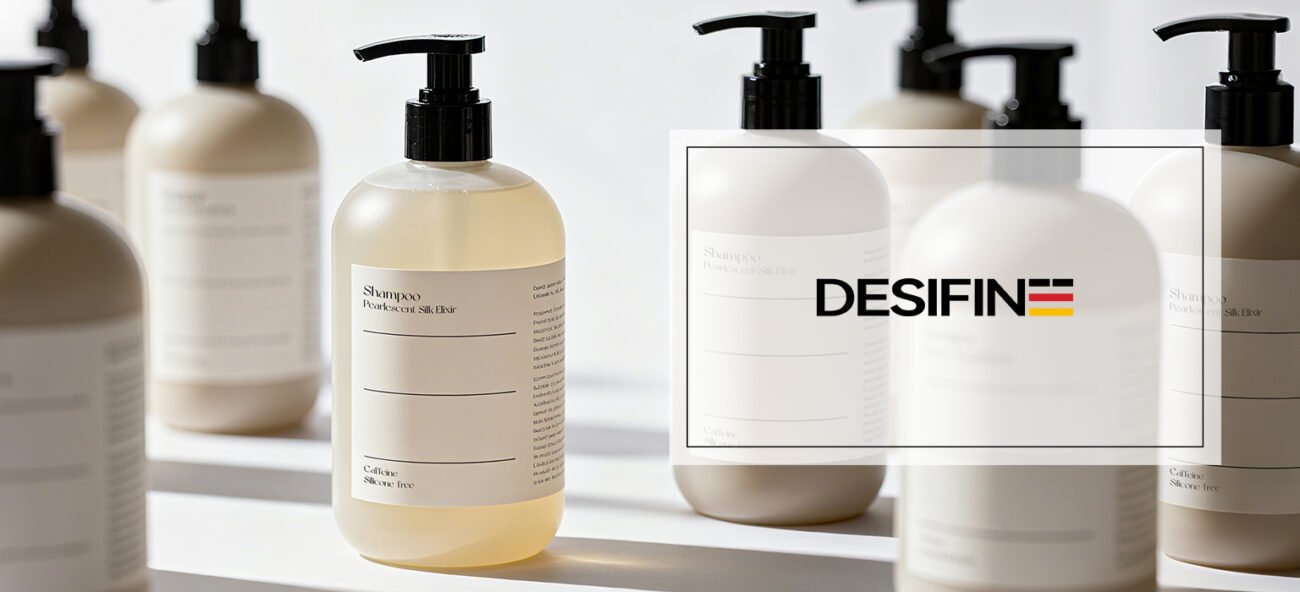
In the field of hair and body care products, British brands have long been favored by consumers worldwide for their natural ingredients, gentle formulas, and innovative technologies. If you are looking for reliable shampoo manufacturers to cooperate with—whether for building your own brand or expanding your hair and body care product line—British shampoo manufacturers are an excellent choice. What’s more noteworthy is that some British shampoo manufacturers also have the capability to produce hair wax, enabling them to provide brands with diversified solutions for hair care products. After all, for consumers, pairing proper hair wax styling with hair cleansing and care can only make the hair care effect more complete.
I. Common Advantages of UK Shampoo Manufacturers
Before delving into specific manufacturers, let’s first take a look at the advantages commonly held by UK shampoo manufacturers—these are also the keys to their success in standing out in the global market.
- Priority on Natural Ingredients, Gentle and Non-Irritating: Driven by UK consumers’ demand for “pure hair and body care,” manufacturers strictly screen raw materials. Most of them prioritize natural ingredients such as plant extracts (e.g., rosemary, chamomile) and organic essential oils, while reducing the use of irritating surfactants like synthetic preservatives and SLS/SLES. This gentle concept also extends to hair wax production—many manufacturers add nourishing ingredients to their hair wax to prevent hair damage during styling.
- Strict Compliance Standards, Guaranteed Quality: The UK adheres to the EU Cosmetics Regulation (EC 1223/2009), with clear standards for every stage—from raw material procurement and production environment to finished product testing. Formal manufacturers must obtain GMPC (Good Manufacturing Practice for Cosmetics) certification. Both shampoos and hair waxes are subject to multiple tests, including those for heavy metals and microorganisms, to ensure products meet safety standards, providing greater confidence for brand cooperation.
- Strong Innovative R&D Capabilities, Wide Coverage of Segmented Needs: UK manufacturers excel at developing products with segmented functions targeting different hair types (fine, coarse, damaged) and scalp issues (oiliness, sensitivity, hair loss). For instance, they produce anti-hair loss shampoos for hair loss concerns and fragrance-free shampoos for sensitive scalps. Meanwhile, in the hair wax sector, they can also launch featured products such as “low-temperature stable” and “washable” options, meeting diverse consumer needs.
II. Detailed Introduction to the TOP 5 UK Shampoo Manufacturers

1. The Body Shop
As a benchmark brand in the UK’s natural beauty sector, The Body Shop’s in-house manufacturing division not only boasts strong capabilities in shampoo R&D but also has profound experience in hair wax production. It has become the preferred partner for many brands that pursue the concept of “natural hair care.”
- Core Advantages:
- Natural Raw Materials + Fair Trade: Most of the raw materials for its shampoos come from global Fair Trade cooperative origins—such as Brazilian nut oil (for hair repair) and African shea butter (for moisture retention and locking)—ensuring the ingredients are natural and their sources are transparent. Its hair wax also uses plant-based wax bases (e.g., beeswax, coconut wax) combined with natural fragrances, preventing hair damage caused by chemical substances.
- Comprehensive Segmented Functions & Wide Application Scope: Its shampoos cover mainstream needs such as anti-hair loss, oil control, hair repair, and dandruff removal. The classic “Ginger Anti-Hair Loss Shampoo” has annual global sales exceeding 10 million bottles. For hair wax, it caters to different styling needs, with offerings ranging from “light-hold variants” for daily natural volume to “long-lasting variants” for strong stage styling. These hair wax products can be paired with shampoos to create “hair care and styling sets.”
- Cooperation Threshold
- Minimum Order Quantity (MOQ) for shampoo: 1,000–2,000 bottles, unit price: £12–£25;
- MOQ for hair wax: 800–1,500 bottles, unit price: £15–£30;
- Production cycle: 15–20 days.
It is suitable for cooperation with mid-to-high-end natural hair care brands and premium beauty stores.
- Market Feedback: The shampoos it manufactures through OEM (Original Equipment Manufacturing) account for over 20% of the market share in global organic beauty channels. Its complementary hair wax, featuring “natural ingredients + easy washability,” has become the designated matching product for many salon-grade brands.
2. DESIFINE
Although DESIFINE is well-known in the industry as a professional hair wax manufacturer, it has risen rapidly in the UK shampoo sector in recent years. With its distinctive “caffeine anti-hair loss” formula and cross-category production capabilities, it is a cost-effective partner that offers both shampoo and hair wax production.
- Core Advantages:
- A Targeted Solution for Hair Loss: This is the core highlight of DESIFINE’s shampoo—it innovatively incorporates highly active caffeine, which can quickly penetrate deep into hair follicles during shampooing to block the damage caused by dihydrotestosterone (DHT) to hair follicles (DHT is the main cause of androgenetic alopecia in both men and women). Meanwhile, caffeine can also stimulate blood circulation in hair follicles and provide nutrients to hair roots; consistent use can reduce hair loss and promote stronger hair strands. For different hair types, complementary ingredients are added: hyaluronic acid is included for dry hair (for deep hydration), oil-control factors for oily hair (to regulate scalp oil), and fragrances and alcohol are excluded for sensitive hair, making the shampoo suitable for a wider range of people.
- Flexible Cooperation, Low Threshold, Suitable for Start-up Brands: The minimum order quantity (MOQ) for both shampoo and hair wax is as low as 1000 bottles. The unit price ranges from £8 to £18 for shampoo and £10 to £22 for hair wax. The production cycle is 10–15 days, and small-batch trial production is supported (e.g., producing 3000 bottles first to test market feedback). Additionally, one-stop services such as packaging design and compliance filing are provided, allowing brands with no experience to launch their products easily.
- Applicable Scenarios: Cross-border e-commerce sellers (especially those covering cold-region markets), small and medium-sized hair care brands, and beauty blogger-owned brands. It is particularly suitable for clients who need to develop both shampoo and hair wax product lines simultaneously.
- Customer Reviews: A start-up brand launched a “Caffeine Anti-Hair Loss Hair Care Set” (including shampoo + hair wax) through DESIFINE. Within 6 months of its launch, sales exceeded 30,000 sets. Consumer feedback included: “After using it for 2 months, the amount of hair lost during shampooing has gone from a handful to just a few strands” and “The hair wax doesn’t feel sticky on the hands; hair stays smooth without frizz after styling, and you can still smell a faint pleasant fragrance.”

3.Lush Fresh Handmade
Lush takes “handmade craftsmanship and fresh raw materials” as its core selling points. Its shampoo manufacturing division stands out in the UK’s handmade hair care sector, and it is also capable of producing niche and distinctive hair waxes, attracting brand partnerships with a focus on personalization and environmental protection concepts.
- Core Advantages:
- Handcraftsmanship + Fresh Raw Materials, Distinct Differentiation: The shampoos are handmade using a “cold-process method,” which maximizes the retention of raw material activity. For example, “solid shampoo bars” require no preservatives—they dissolve instantly in water, are easy to carry, and also help reduce plastic packaging waste. The hair wax is similarly hand-blended, with customizable exclusive fragrances (such as citrus, woody, and floral scents) and colors, meeting the personalized needs of niche brands.
- The concept of environmental protection runs through the entire supply chain: Most packaging uses biodegradable materials (such as paper boxes and cotton bags) or adopts a packaging-free design. For some products, “refill packs” are also available to reduce waste. When it comes to raw materials, organically certified ingredients are prioritized. Additionally, it can assist clients in applying for certifications like the EU’s ECOCERT and the UK Soil Association’s organic certification, thereby increasing the added value of products.
- Cooperation Thresholds: For liquid shampoo, the minimum order quantity (MOQ) is 800-1,200 bottles; for solid shampoo bars, the MOQ is 500-800 bars, with a unit price of £15-28. For hair wax, the MOQ is 600-1,000 bottles, and the unit price is £18-32. The production cycle is 18-25 days (handmade production takes a relatively long time), which is suitable for hair care brands focusing on handcrafted, eco-friendly, and niche features.

4.Boots
Boots is the largest pharmacy and beauty retail brand in the UK. Its in-house manufacturing division focuses on producing affordable mass-market shampoos and also provides OEM services for basic hair wax products. Leveraging its large-scale production capacity and high cost-effectiveness, it has become a popular cooperation partner for the private labels of supermarkets and pharmacy-beauty stores.
- Core Advantages:
- Large-Scale Production Capacity and Strong Cost Control Capabilities: It has a fully automated production line, with a daily output capacity of over 100,000 bottles for shampoo and over 50,000 bottles for hair wax, enabling rapid response to large promotion orders (such as restocks for Black Friday and Christmas). By means of large-scale raw material procurement and efficient production processes, it minimizes costs—the unit price of shampoo is as low as £5-12, and the unit price of hair wax is also £5-12—making it suitable for high-volume sales.
- The formula is mature and stable, with a high repurchase rate: The shampoos focus on basic hair care functions, such as “daily moisturizing shampoo”, “anti-dandruff shampoo”, and “gentle shampoo for children”. Their formulas have been market-tested and enjoy high consumer acceptance. The hair waxes are mainly basic styles, with moderate styling hold—suitable for daily commuting hairstyles. They are affordably priced and highly accepted in the sinking market.
- Cooperation Thresholds: The minimum order quantity (MOQ) for shampoo ranges from 5,000 to 10,000 bottles, and the MOQ for hair wax ranges from 3,000 to 5,000 bottles. The production cycle is 7 to 12 days, making it suitable for cooperation with supermarket private labels, FMCG (Fast-Moving Consumer Goods) chain channels (such as Watsons and CVS), and discount e-commerce platforms.

5.Neal’s Yard Remedies
As an established manufacturer in the UK’s organic beauty sector, Neal’s Yard Remedies Manufacturing specializes in the R&D of high-end organic shampoos and also produces hair waxes with organic ingredients. It is an ideal partner for luxury beauty brands and the in-house lines of high-end department stores.
- Core Advantages:
- Complete Organic Certifications and Transparent Raw Material Traceability: The raw materials of the shampoo fully comply with organic standards and have obtained dual organic certifications from the UK’s Soil Association and the EU’s ECOCERT. Each product is equipped with a “raw material traceability code”; consumers can scan the code to view the origin of ingredients, cultivation methods, and test reports, with “extreme transparency” as its core highlight.
- High-end functional R&D, with a focus on the “luxury care” concept: The shampoo focuses on high-end needs such as “anti-aging repair” and “scalp care”, incorporating rare ingredients (e.g., rose essential oil, seaweed extract, collagen). Despite its relatively high pricing, it delivers remarkable efficacy. The hair wax, on the other hand, adopts a combination of organic plant wax and essential oils, which nourishes hair strands while providing styling hold—making it suitable for high-end salons and premium department store channels.
- Cooperation Thresholds: The minimum order quantity (MOQ) for both shampoo and hair wax ranges from 600 to 1,000 bottles. The unit price of shampoo is £20 to £35, and the unit price of hair wax is £22 to £40. The production cycle is 20 to 28 days, making it suitable for cooperation with high-end organic beauty brands and the in-house lines of luxury department stores.
III. Key Considerations for Choosing a UK Shampoo Manufacturer
- Clarify Brand Positioning and Budget: For mid-to-high-end natural/organic positioning, choose The Body Shop or Neal’s Yard; for mass-market FMCG (Fast-Moving Consumer Goods), choose Boots; for niche handcrafted products, choose Lush; for cross-category needs (shampoo + hair wax) with a moderate budget, choose DESIFINE. Avoid blindly pursuing “high-end” or “low prices” and ensure alignment with your target customer base.
- Prioritize Sample Testing to Verify Core Efficacy: For shampoo, focus on testing cleaning power, gentleness, and targeted efficacy (e.g., for anti-hair loss shampoo, record changes in hair fall volume over 2-4 weeks); for hair wax, focus on testing styling hold, skin feel, and ease of cleansing. This ensures compliance with target market demands and prevents quality issues after mass production.
- Confirm Compliance Qualifications and Service Capabilities: Request the manufacturer to provide GMPC certification and raw material test reports to ensure products meet the regulations of the target market (e.g., products exported to China require “cosmetic registration/filing” (Zhuangzihao), and those exported to the EU require CPNP notification). Meanwhile, pay attention to after-sales services, such as whether the manufacturer supports formula adjustments, logistics coordination, and handling of post-sales quality issues.
- Focus on Cross-Category Synergy (If Hair Wax is Needed): If you plan to produce hair wax simultaneously, prioritize manufacturers with hair wax production experience (e.g., DESIFINE, The Body Shop). This not only ensures complementary efficacy between hair care and styling products but also reduces communication costs and shortens delivery cycles.
IV. Summary: Comparison Table of Core Information for 5 UK Shampoo Manufacturers
| Manufacturer Name | Core Advantages | Minimum Order Quantity (MOQ) for Shampoo (Bottles) | Suitable Brand Types |
| The Body Shop | Natural Raw Materials, Fair Trade, Comprehensive Efficacy | 10000-20000 | Mid-to-high-end Natural Hair & Body Care, Premium Beauty Stores |
| DESIFINE | Caffeine Anti-Hair Loss Shampoo, Flexible Customization | 3000 | Cross-Border E-Commerce, Start-Up Brands, Cross-Category Needs |
| Lush Fresh Handmade | Handmade Cold-Pressed, Eco-Friendly Packaging, Customization | 8000-120000 | Niche Handcrafted and Eco-Friendly Feature Brands |
| Boots | Large-Scale Production Capacity, Affordable and Practical, Fast Response | 5000-10000 | Own Brands of Supermarkets and Cosmeceutical Stores |
| Neal’s Yard Remedies | Dual Organic Certifications, High-End Luxury Care, Raw Material Traceability | 6000-10000 | High-end Organic Brands, In-house Lines of Luxury Department Stores |
When choosing a UK shampoo manufacturer, comprehensive consideration should be given to your own brand positioning, product requirements, and cooperation thresholds. If your brand needs to develop both shampoo and hair wax simultaneously and aims to address the core pain point of hair loss, DESIFINE is a cost-effective choice. Its caffeine shampoo has strong targeted effects, and the low-temperature stability of its hair wax makes it suitable for more markets. Coupled with flexible cooperation policies, it can help your brand quickly enter the market and reduce the cost of trial and error.
